
Bilingual and Mulitlingual Learners

At Pilgrims’ Way, we celebrate and value the diverse range of cultures, languages and religions represented by our pupils, their families and the community in which we live. This diversity is an asset of the school and enables our pupils to share and develop their identities and an awareness, knowledge and understanding of the wider world in which we live. We have over 40 languages spoken at home by our pupils and staff. Some pupils are multilingual, many pupils are fluent bilinguals, whilst others come to us with no English at all.
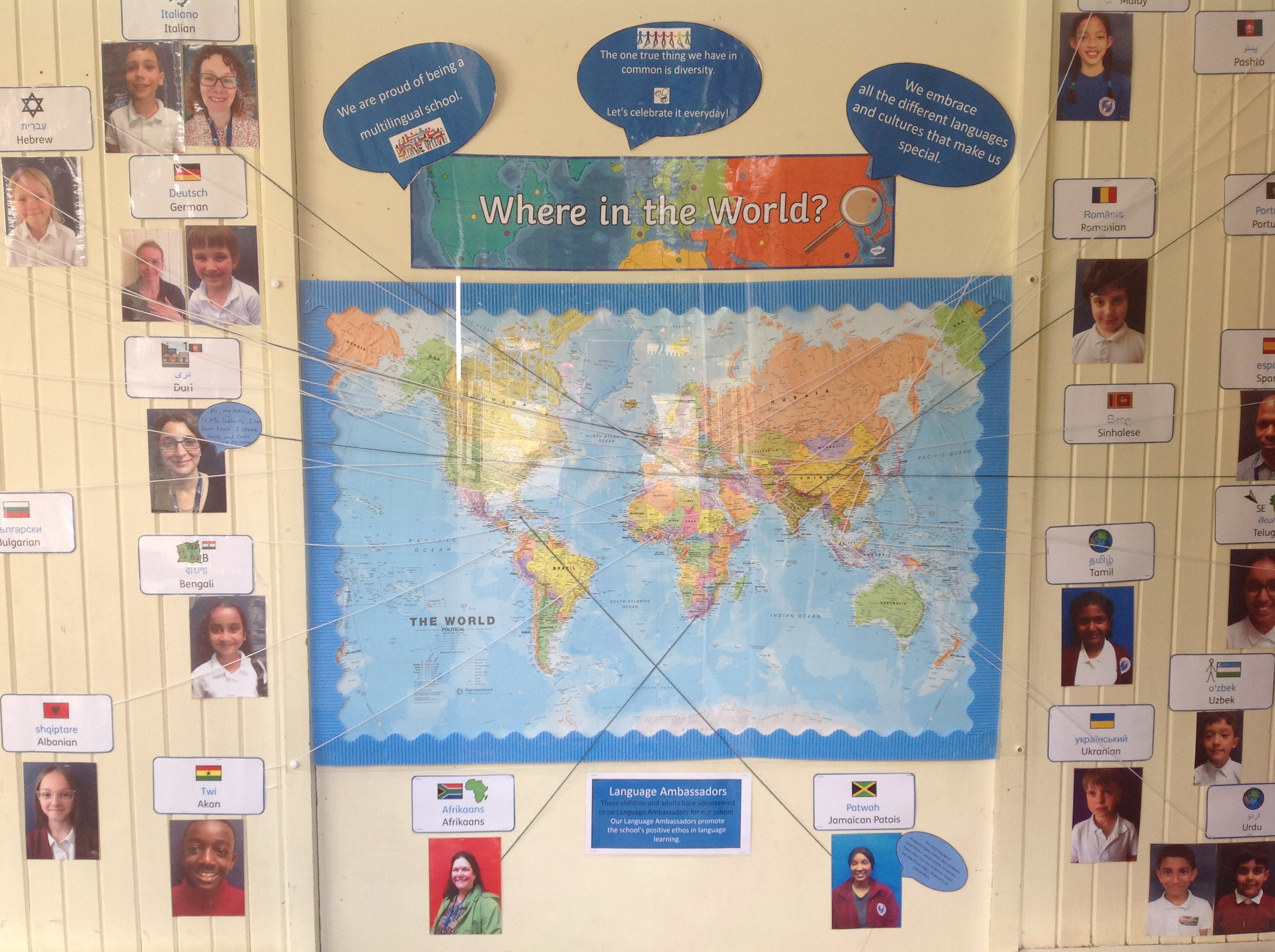
Our staff are experienced at supporting children with all levels of English, ensuring that they feel welcome, included, safe, happy and valued.
Why we promote Bilingualism
Bilingualism is a valuable asset that brings many lifelong benefits. At Pilgrims' Way, we celebrate and value the linguistic and cultural diversity within our school community.
We actively encourage children to use, maintain and develop their home language alongside learning English. Research shows that a strong foundation in a child's first language supports the acquisition of additional languages, as well as the development of thinking, communication and learning skills.
Much like the foundations of a house, a secure home language provides a strong base on which further language learning can be built. When children are able to develop a rich vocabulary in their home language, they are better equipped to learn, understand new concepts, and develop literacy skills in English.
Parents and carers play a vital role in this process. Talking, reading and sharing experiences in the home language helps to build a child's vocabulary, understanding and confidence. A strong vocabulary is closely linked to success in reading, writing and overall academic achievement.
There is no evidence that bilingualism slows language development. In fact, speaking more than one language can enhance communication skills, cognitive flexibility and cultural understanding. Home languages are also an important part of a child's identity, helping them maintain connections with their family, culture and wider community.
At Pilgrims' Way, we recognise multilingualism as a strength and are proud to support children in becoming confident, capable users of all their languages.
How we promote Bilingualism and support pupils with English as an Additional Language
At Pilgrims' Way, we celebrate the linguistic and cultural diversity of our school community. We work closely with a range of external professionals and networks to continually develop and enhance our practice in supporting pupils who speak English as an Additional Language (EAL).
Our approach is underpinned by the belief that children develop English most effectively through meaningful participation in classroom learning and everyday school experiences. We recognise that every bilingual and multilingual learner is unique, with different experiences, strengths and starting points. As a result, tailor support to individual needs, enabling pupils to develop English for communication, social interaction and access to the curriculum.
Alongside developing spoken English, we place a strong emphasis on early literacy, including phonics, letter formation, reading and writing. This ensures that pupils build the language and literacy skills needed to become successful, confident learners.
We actively encourage pupils to use both their home language and English throughout their learning. Research shows that a strong first language supports the acquisition of additional languages and wider cognitive development. For many pupils, drawing upon their home language enables them to access learning, demonstrate understanding and engage with the curriculum in line with their cognitive abilities. Using a home language alongside English does not hinder English acquisition; rather, it supports understanding, participation and achievement.
Key support strategies to enable pupils to access the full curriculum and develop independence
-
High - quality teaching
-
Using greater use of visuals/ gestures/ signing/ to support all verbal information
-
Using voice to emphasise important words and information
-
Providing oral and written models and scaffolds
-
Targeted phonics support
-
Language rich classrooms
-
Providing pre teaching vocabulary and context to learning
-
Use of technology e.g. iPads and Widgit software, with translation tools including Immersive Reader
-
Dual language texts
-
Pupils are given increased opportunities to work with others either through pairing with same language or good English Language role models.
What our community says about being a Bilingual school
Pupil and parent voice indicates that our school has a strong sense of community and belonging. It values our cultural differences. Promoting home languages has had a positive impact on our school community with pupils keen to learn words in another pupil's home language. New pupils settle quickly, feel safe, have high wellbeing, motivation and feel confident to learn.
Celebrating first language writing
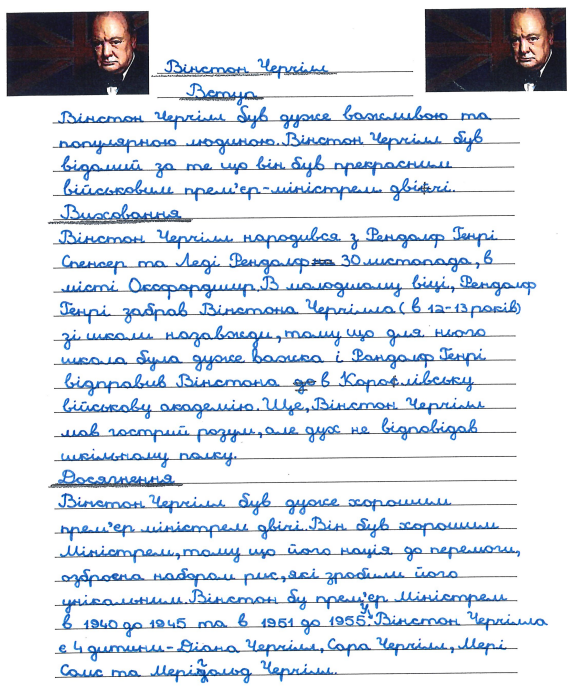

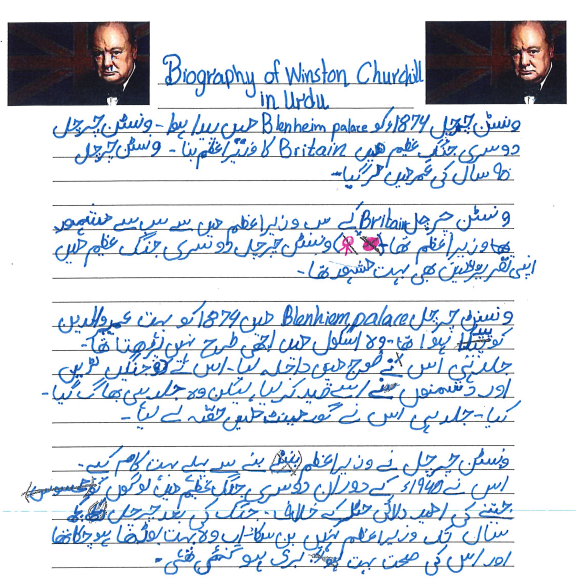
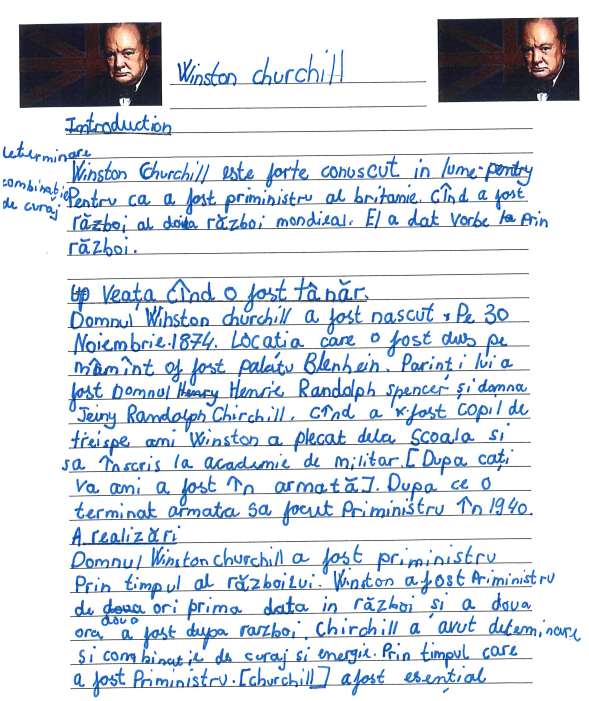
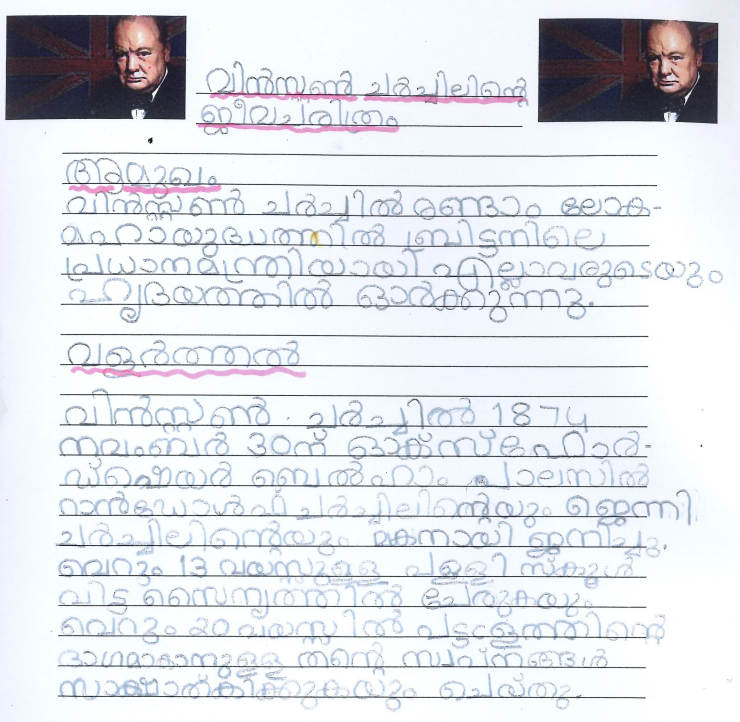
We are proud to share some wonderful examples of writing in home languages from pupils in Iguana class. These opportunities provide pupils with an opportunity to express themselves freely in their home language. Pupils then find it easier to learn vocabulary in English and are able to transfer knowledge acquired in home language to English.
Announcing our 'Bilingual & Multilingual SMART School' status
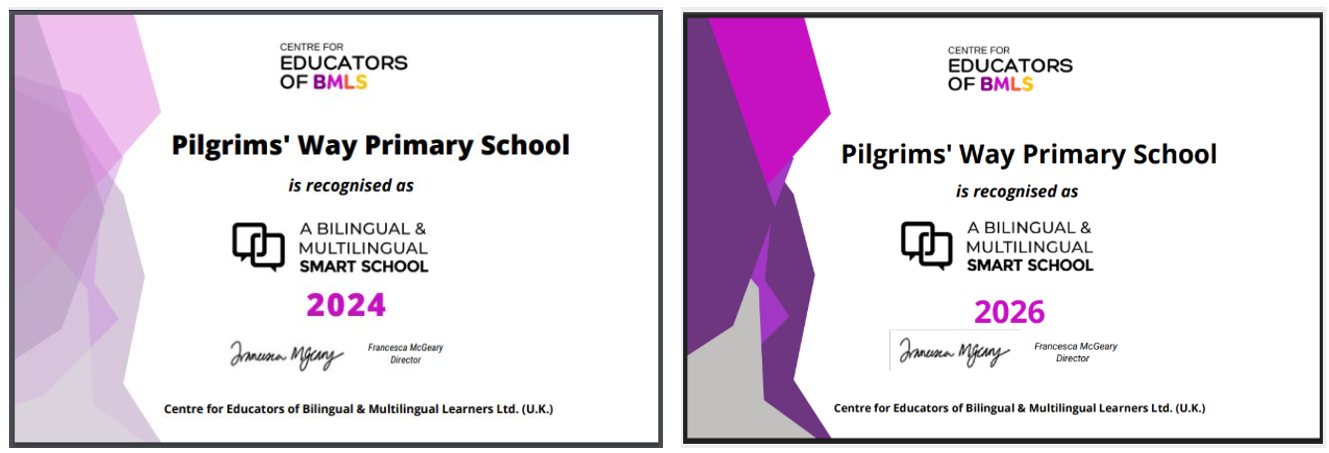
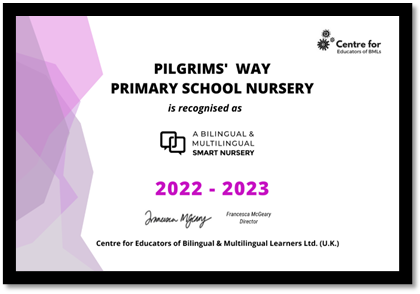
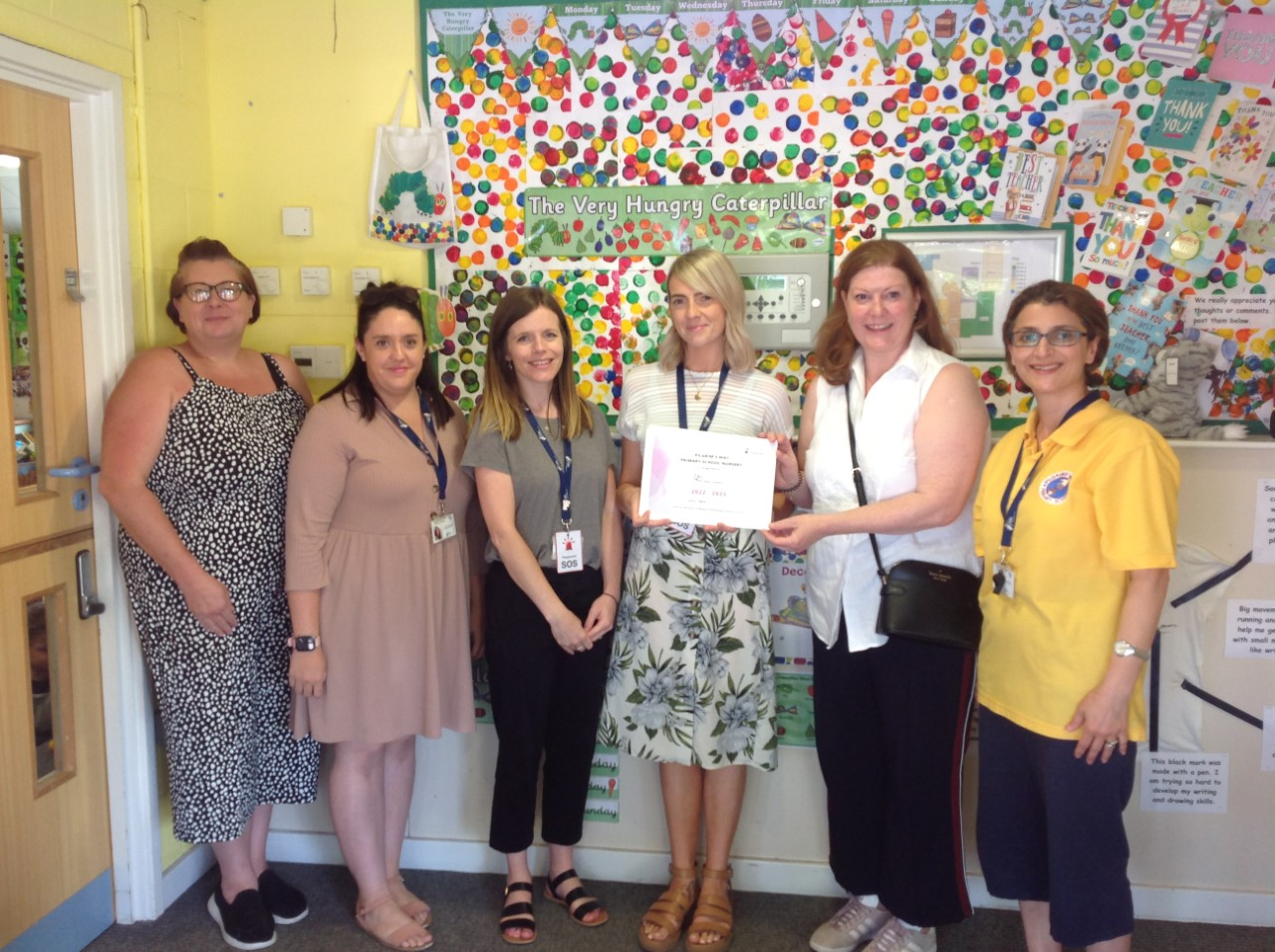
We are delighted to inform you that in addition to gaining 'BML SMART Nursery' status, our dedicated teaching and support staff have completed studies enabling the school to become the first 'Bilingual & Multilingual SMART School' in the country! We are excited and proud of our team’s dedication to promoting and supporting bilingual and multilingual (BML) families.
As a Bilingual & Multilingual SMART School we have shown a commitment to whole-school training to enhance our expertise with bilingual and multilingual learners. Teachers have learnt about the related research, best practises and approaches to support BMLs across the school. This has not only encouraged our BMLs to keep up their home languages, but given all children increased opportunities to develop language, which will enable them to acquire a high standard of English.
This video is 1 minute long and explains what a BML SMART Nursery is and why it's so valuable.
If anyone is interested in finding out more about BML approaches, would like to take the parent course ‘Helping Your Bilingual or Multilingual Child Thrive at Home & School’ or would like to become a ‘Parent Ambassador for BML’, please contact Mrs Watts via the office or email her directly Olivia.Watts@pilgrims-way.kent.sch.uk
Useful links
Helping your child learn - Guidance for parents of students who use English as an Additional Language (EAL)
https://www.bell-foundation.org.uk/app/uploads/2020/09/Guidance-for-Parents-FV-English.pdf
https://www.bell-foundation.org.uk/app/uploads/2022/03/Guide-for-Parents-Primary-Schools_UA.pdf Ukranian
https://www.bell-foundation.org.uk/app/uploads/2021/10/Guidance_for_Parents_v4-Pashto_FINAL.pdf
British Council Parent advice about helping your child learn English
World Stories and Unite for Literacy have a growing collection of stories from around the world, some of which can be translated
https://www.uniteforliteracy.com/
Advice on Bilingualism
https://www.kentcht.nhs.uk/childrens-therapies-the-pod/speech-and-language-therapy/bilingualism/
https://www.bbc.co.uk/tiny-happy-people/bilingual
A guide to Translanguaging